History blog16 July 2014
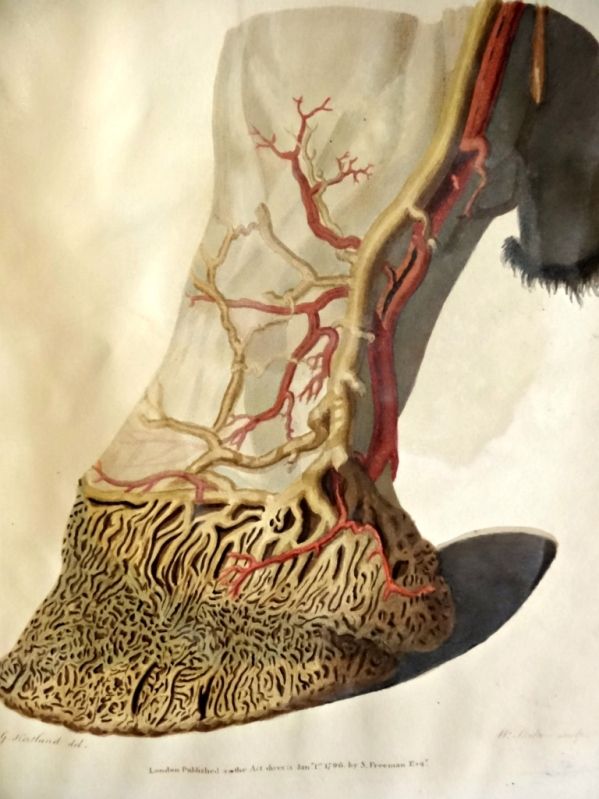
Our historical collection has over two hundred books on farriery and horse shoeing many of which contain anatomical drawings of the foot of the horse. One such book is Strickland Freeman’s
Observations on the mechanism of the horse’s foot its natural spring explained, and a mode of shoeing recommended, by which the foot is defended from external injury, with the least impediment to its spring
which was published in 1796.
Strickland Freeman was a Buckinghamshire landowner and sporting gentleman who wrote a number of works on horsemanship and farriery. Observations is his most important anatomical work: focusing on horse shoeing practices and methods, the work consists of 109 pages of text and 16 coloured plates with outlines.
I have found two reviews of the book from the period. One in The Critical Review is less than complimentary. Speaking of the illustrations it says:
“[they] do not illustrate the complete anatomy of the foot: they are imperfect, from a total neglect of the nerves and absorbent vessels of those parts, two points in the structure, which have been found to be inseparably connected with many diseases of the feet of horses”
The reviewer also takes issue with the cost of the book given its alleged shortcomings:
“When a voluminous and expensive work is laid before the public…we are led to expect something approaching toward a complete account of that subject… To the anatomist he affords no information, to the gentleman, we fear, he conveys little knowledge which can be applicable in practice… We would advise further adventurers in scientific pursuits with which they are not fully conversant, to be more backward in taxing the world with expensive books”.
A more positive review appeared in The Monthly Review which describes Observations as a ‘most splendid work’ and says:
“it is evidently the result of attentive observation…that will afford useful hints to those who are practically concerned in the subject”.
Writing in 1929 Frederick Smith in Volume 2 of his Early history of veterinary literature says:
“[Freeman] knew nothing of the anatomy of the horse’s foot. The text is consistently weak, though largely atoned for by…[the] beautifully coloured plates”.
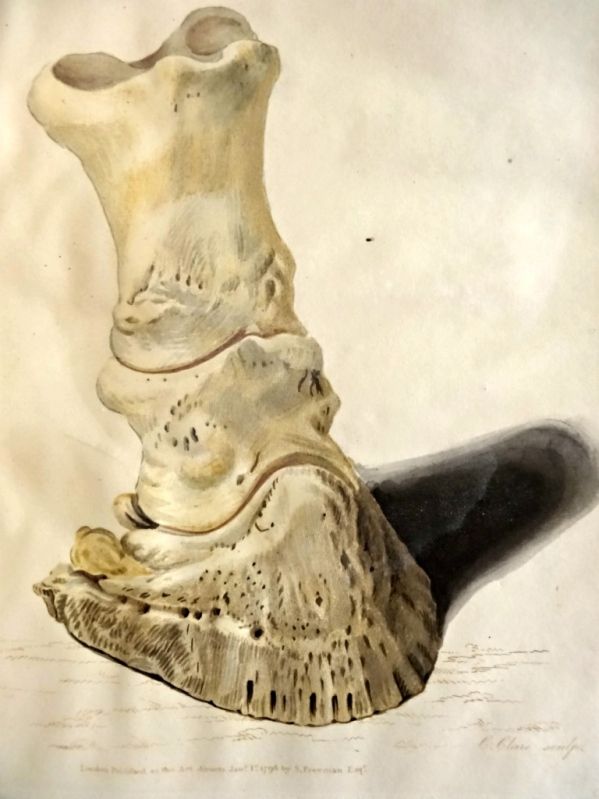
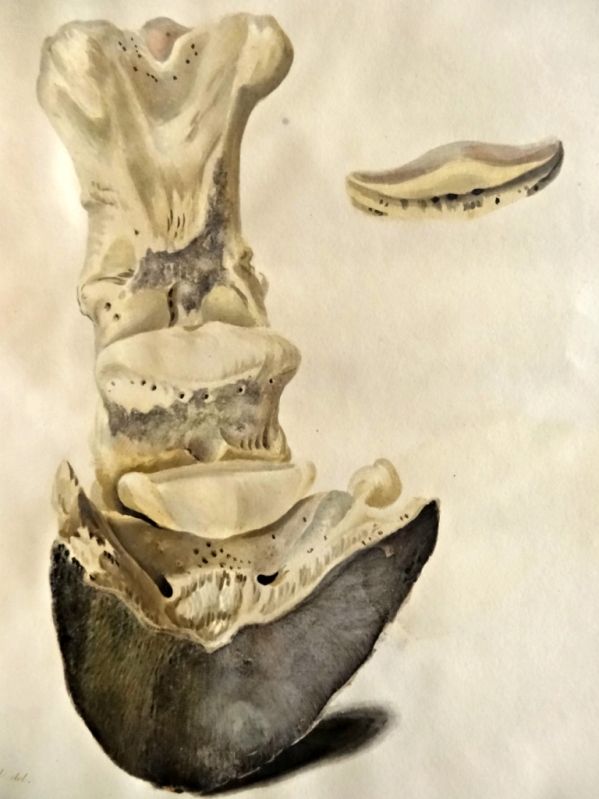
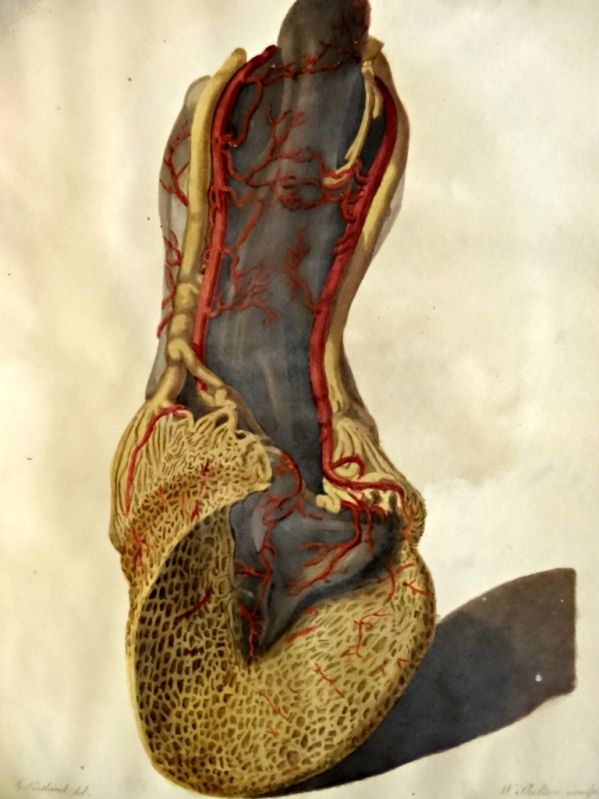
I am not qualified to comment on the accuracy of either the text or illustrations, but can’t help but agree that the illustrations, which are by G Kirtland who was a leading anatomical artist at that time, are beautiful. Four of them are shown below, what do you think?
Read more history blogs
-
History blog
 26 August 2026
International Dog Day 2026
-
History blog
-
History blog
 8 June 2026
Open Farm Sunday